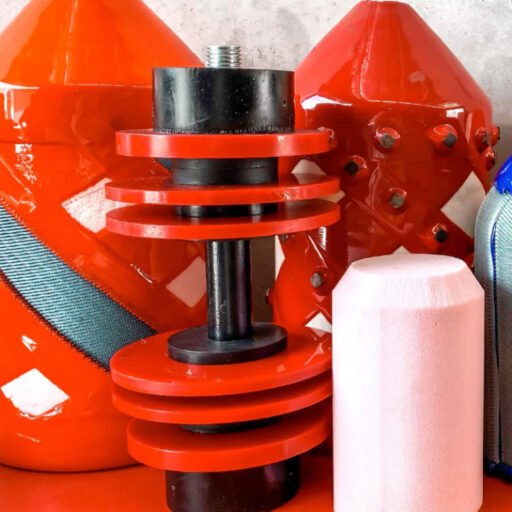
Pipeline Cleaning Pigs for Nigeria
What Are Pipeline Cleaning Pigs?
Pipeline cleaning pigs are specialized devices inserted into pipelines to perform cleaning, inspection, and maintenance tasks. They are propelled by the flow of the product inside the pipeline—such as crude oil, gas, or water—and remove debris, wax, scale, corrosion products, and other contaminants that accumulate over time.
Importance of Pipeline Pigging in Nigeria
Nigeria operates one of Africa’s largest pipeline infrastructures, supporting crude oil production, refined petroleum distribution, gas transmission, and water supply. Regular pigging offers several key benefits:
-
Improved Flow Efficiency: Removes wax, sludge, and debris that restrict flow.
-
Reduced Operational Costs: Minimizes pressure losses and pumping energy requirements.
-
Enhanced Safety: Lowers the risk of blockages, leaks, and pipeline failures.
-
Extended Pipeline Life: Reduces corrosion and internal wear.
-
Environmental Protection: Helps prevent spills caused by internal damage or buildup.
Types of Pipeline Cleaning Pigs Available
Different pipeline conditions require different pigging solutions. Common types used in Nigeria include:
-
Foam Pigs: Ideal for batching, drying, and light cleaning operations.
-
Polyurethane (PU) Pigs: Durable pigs for medium to heavy-duty cleaning.
-
Brush Pigs: Designed to remove stubborn deposits such as wax and scale.
-
Scraper Pigs: Equipped with blades for aggressive cleaning applications.
-
Gel Pigs: Used for chemical cleaning and displacement operations.
Applications Across Nigerian Industries
Pipeline cleaning pigs are widely used in:
-
Oil & Gas Pipelines: Crude oil, refined products, and gas transmission lines.
-
Water Pipelines: Municipal and industrial water supply systems.
-
Chemical Processing Plants: Product changeover and contamination control.
-
Power and Industrial Facilities: Cooling water and process pipelines.
Choosing the Right Pig for Nigerian Pipeline Conditions
When selecting pipeline cleaning pigs, operators in Nigeria should consider:
-
Pipeline diameter and length
-
Product type (oil, gas, water, chemicals)
-
Degree of contamination or buildup
-
Operating pressure and temperature
-
Pipeline material and age